
Why Sourcing Direct from Chinese Machine Tool Builders Is Growing #
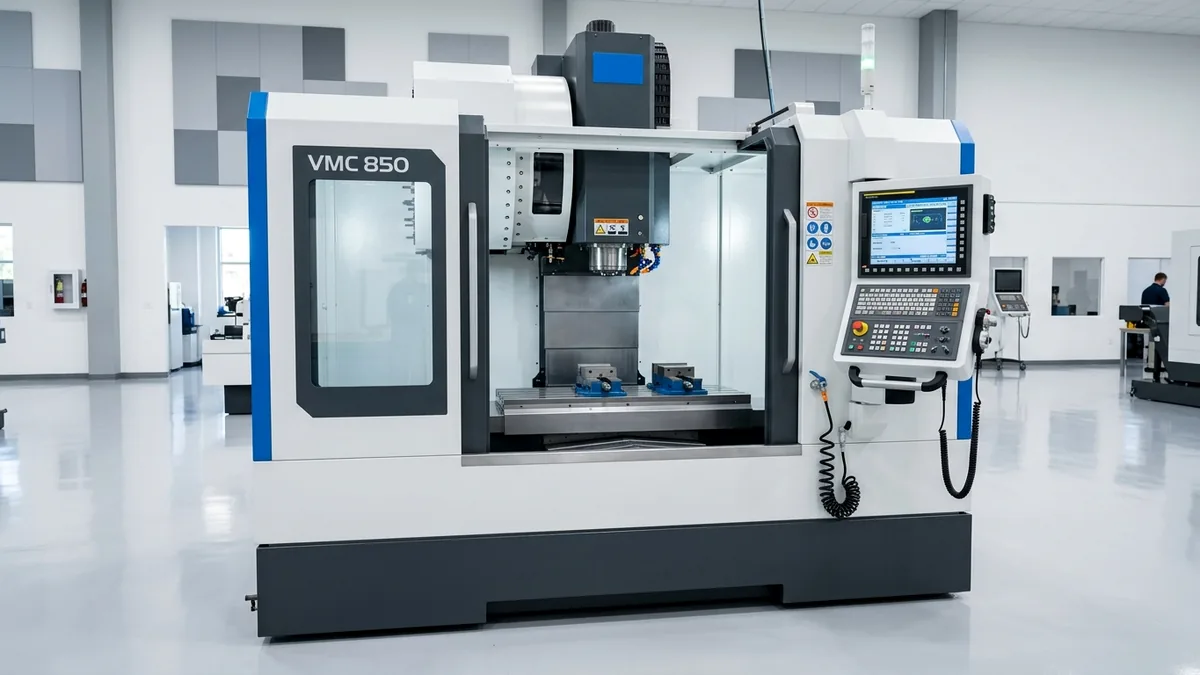
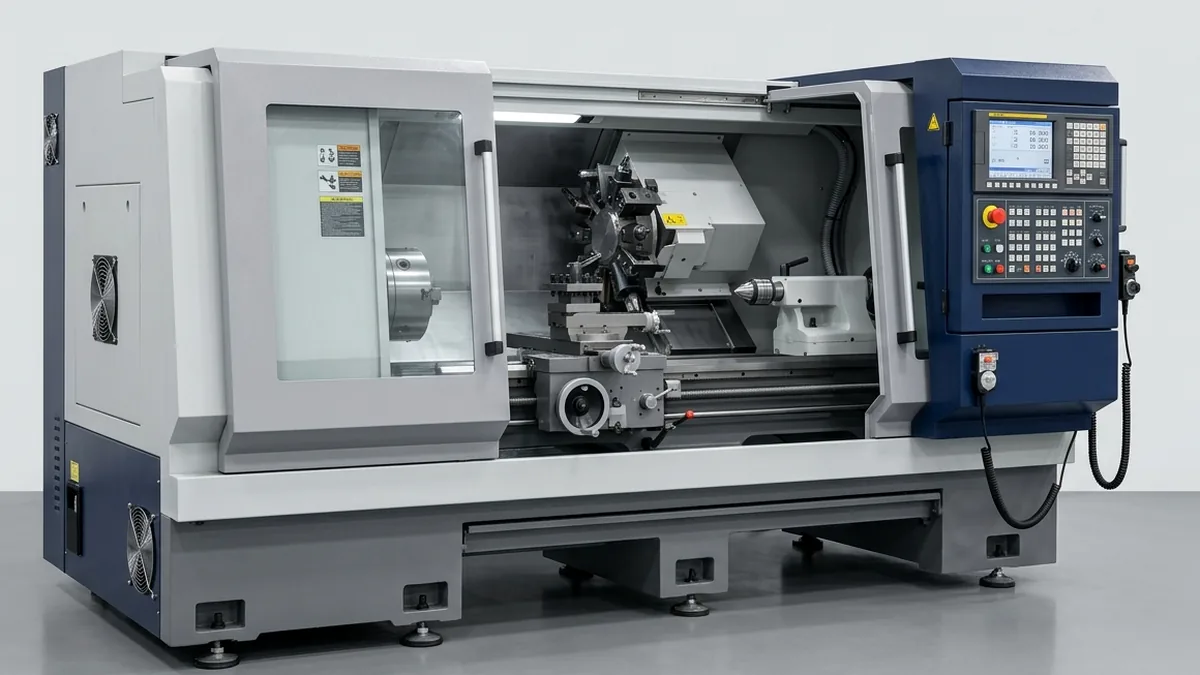
Over the past decade, Chinese machine tool builders have invested billions in robotic casting foundries, 5-axis gantry grinding machines, and German Zeiss CMM inspection labs. Today, tier-one manufacturers like DAHAN CNC deliver machine tools that rival Japanese and Taiwanese competitors at 30% to 40% lower capital outlay.
However, for an international procurement director or machine shop owner, importing industrial machinery across oceans requires rigorous technical due diligence. Here is the verified 7-step inspection protocol every buyer should mandate before approving final shipment.
1. Verify Casting Material & Stress-Relieving Protocols #
The foundation of every precision machine tool is cast iron. Inferior builders use recycled scrap with high internal stress that warps over 12 months.
- What to Demand: Certified Meehanite cast iron (FC30 / HT300).
- Verification: Request proof of thermal stress-relieving (annealing) curves and secondary natural aging periods (typically 3 to 6 months) before finish machining of bed ways.
2. Renishaw Laser Interferometer Pitch Calibration Report #
Every ballscrew exhibits microscopic pitch errors along its length. Premium builders compensate for this in the CNC controller using laser interferometry.
- Standard: Demand a serial-number-matched Renishaw Laser Calibration Certificate testing positioning and repeatability according to ISO 230-2 or VDI/DGQ 3441.
- DAHAN Standard: All DAHAN machines must achieve positioning accuracy within ±0.005 mm and repeatability within ±0.003 mm across full stroke.
3. Circularity Verification via Renishaw Ballbar Test #
Linear pitch testing only checks one axis at a time. The Renishaw QC20 Ballbar Test measures circular interpolation under actual dynamic motion:
- It diagnoses servo lag mismatch, backlash in X/Y axes, geometric squareness error, and guideway straightness simultaneously.
- Demand the actual polar graph printout from the factory acceptance test.
4. Spindle Dynamic Runout and Vibration Spectrum #
The spindle is the beating heart of your machine. An unbalanced spindle ruins carbide tooling, damages surface finish, and burns out bearings prematurely:
- Runout Tolerance: Spindle nose radial runout must measure < 0.003 mm (3 microns).
- Vibration Velocity: Spindle vibration velocity across full RPM range must remain < 0.8 mm/s under dynamic balance testing.
5. Continuous 72-Hour Factory Burn-In Run #
Electronic failures in CNC drives, relays, and servo encoders follow the classic "bathtub curve"—most defects occur during the first 50 operating hours.
- At DAHAN CNC, every machine executes a continuous 72-hour dry-run testing program cycling all axes, tool changer ATC, spindle speed shifts, and coolant pumps before export packaging.
6. Electrical Standards & CE/UL Wiring Compliance #
- Ensure the electrical cabinet utilizes world-recognized components: Schneider contactors, Omron relays, Mean Well power supplies.
- Ensure clear wire numbering corresponding 1:1 with the provided electrical schematics for easy maintenance by your local technicians.
7. Ocean Freight Waterproofing and Vacuum Packing #
Crossing the ocean exposes machinery to dense saltwater humidity:
- All ground guideways, tables, and spindles must be thoroughly coated with heavy industrial anti-rust grease.
- The machine must be sealed in a heavy-duty vacuum aluminum foil bag with silica gel desiccant packs before being fastened inside a reinforced, fumigated solid wooden crate.
DAHAN CNC provides complete factory inspection certificates, live video run tests, and turnkey sea-freight logistics. Contact us at xiuc32860@gmail.com for export quotation inquiries.